ABA Isn’t Just for Kids: What Adult ABA Therapy Looks Like
QUICK TAKEAWAY Primary Insight: Applied behavior analysis for adults targets independent-living, vocational, and social skills rather than early-childhood milestones, and

Receiving an autism diagnosis often feels like being handed a map written in a language you do not speak. You want the best for your child, but the sheer volume of therapy options can feel like a heavy burden.
Applied Behavior Analysis (ABA), commonly known as ABA, is frequently the primary recommendation from pediatricians and school districts. This science has served as the gold standard for autism treatment for decades, yet many parents still find themselves asking what it actually entails.
Understanding the mechanics of this approach helps you decide if it aligns with your family goals and your child’s unique personality.
Applied Behavior Analysis (ABA) is a systemic intervention based on learning theory principles to improve socially significant behaviors. This means practitioners look at what a child does and why they do it. Instead of guessing, they use data to understand the relationship between the environment and the action.
For instance, if a child screams when a tablet is taken away, a specialist analyzes what happened right before the scream and what happened immediately after. By changing these variables, they teach the child a more effective way to communicate their frustration.
Meaningful progress is not about making a child appear “normal” or stripping away their identity.
Modern practitioners focus on functional skills that increase independence. Examples of this include teaching a child how to ask for a snack, how to cross the street safely, or how to follow a classroom schedule. Progress is measured by the child’s ability to participate more fully in their own life.
If a child learns to use a picture board to request water instead of hitting a cabinet, that is a significant win. The focus remains on behaviors that matter to the child and the family, ensuring that every hour of therapy translates into a better quality of life at home and in school.
The early years of a child’s life represent a period of rapid brain development. This is why many specialists advocate for early intervention of ABA therapy for toddlers with autism as soon as a diagnosis is confirmed.
During this window, the brain is highly adaptable. Early intervention focuses on “learning how to learn.” This involves teaching basic foundational skills like joint attention, imitation, and simple communication. When a toddler learns that their actions can positively influence the world around them, it sets the stage for all future learning.
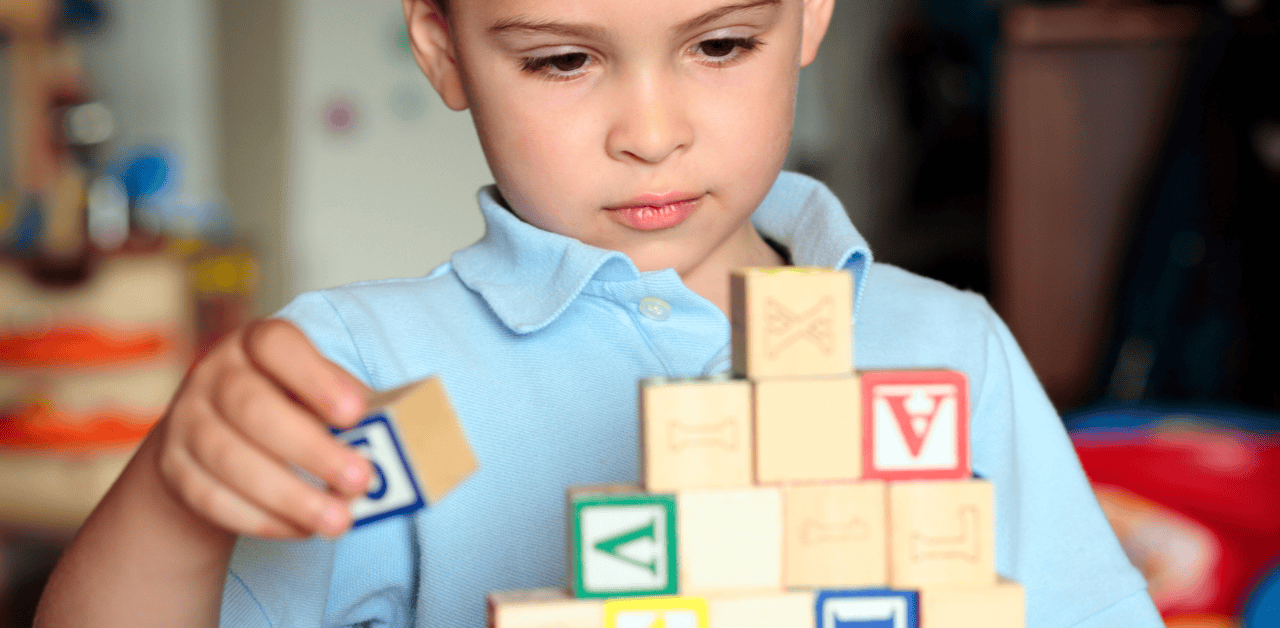
Early therapy often takes the form of structured play. A therapist might sit on the floor with a toddler and use bubbles or blocks to encourage eye contact or vocalization. By starting early, families can often reduce the need for more intensive supports later in life. It helps prevent the development of more severe behavioral habits that can become harder to change as a child grows physically stronger.
The goal of starting in the toddler years is to give the child the tools they need to enter a kindergarten classroom with as much independence as possible. This proactive approach supports the child’s ability to engage with peers and follow routines before they reach school age.
To ensure that therapy is effective and consistent, practitioners follow a specific teaching cycle. This structured path allows for clear data and adjustments if the child is not making progress.
The process begins with a detailed look at the child’s current skills and challenges. Professionals use tools like the VB-MAPP or ABLLS-R to identify where the child is and what they need to learn next. Goals are then created to be specific and measurable.
Once goals are set, the therapist uses specific strategies to teach the skill. This might involve Discrete Trial Training, in which a task is broken into small steps, or Natural Environment Training, which occurs during regular activities like snack time.
During each session, the therapist records the child’s responses. They track if the child needed help, if they got the answer right, or if they became frustrated. This data is graphed and reviewed by a supervisor.
A skill is not truly learned if a child can only do it with their therapist. The final step involves making sure the child can use the skill with their parents, in the park, and at school. This ensures the child remembers what they learned over time.

One of the most common reasons families seek help is the presence of safety concerns or intense outbursts. Does ABA help reduce challenging behaviors in autism? The answer lies in the use of reinforcement and behavior modification techniques. Specialists believe that all behavior serves a purpose.
A child might act out to get attention, to escape a difficult task, to get an item they want, or because the action feels good physically. Once the “why” is identified through a functional behavior assessment, the therapist creates a plan to replace the challenging behavior with a helpful one.
Instead of punishment, contemporary ABA relies heavily on positive reinforcement. This involves rewarding the child for doing the right thing, which makes them more likely to repeat that behavior in the future. If a child typically bites when they are told to put their shoes on, the therapist might teach them to say “break please” or use a “no” icon.
When the child uses the new communication tool, they are immediately rewarded with a short break. Over time, the child learns that communication is faster and easier than biting. This shift reduces stress for the entire family and creates a safer environment for everyone involved.
Autism is a spectrum, and the support needed varies greatly from one person to another. What level of autism requires ABA therapy? Generally, children diagnosed with Level 2 or Level 3 autism receive the most intensive recommendations. These levels indicate that the child requires “substantial” or “very substantial” support to handle daily life and communication.
For these children, ABA provides a necessary structure to help them navigate a world that is often not built for their sensory or cognitive needs. It helps bridge the gap between their current abilities and the requirements of their environment.
However, children with Level 1 autism, often described as having “high-functioning” autism, also benefit from these services. For a Level 1 child, the focus might not be on basic communication but on social nuances, executive functioning, and emotional regulation. They might work on starting a conversation, handling losing a game, or organizing their school backpack.
Because ABA is individualized, it is not a one-size-fits-all program. The intensity and the goals change based on the child’s level, but the underlying science of learning remains the same for everyone.
A common critique of older behavioral methods was that children became “robotic” or could only perform tasks in a specific therapy room. Modern practice has fixed this by focusing on generalization. How does ABA help children with autism in the real world? It happens by taking the therapy out of the clinic and into the community.
If a child is learning to follow directions, the therapist will practice those directions in a busy grocery store or a noisy playground. This ensures that the child can use their skills even when things are not perfect or quiet.
By practicing in diverse settings, the child learns that the rules of communication and behavior apply everywhere. This is essential for long-term success. We want a child to be able to use their “words” whether they are with a teacher, a grandparent, or a peer at the park. This transition from a controlled environment to the messy reality of daily life is what makes the intervention truly effective. It builds a bridge between therapy and a meaningful life in the community.
When parents commit to a therapy program, they are looking at the horizon. They want to know that the hours spent now will pay off in the future. Long-term ABA therapy benefits extend far beyond the child’s behavior. They impact the family’s ability to live a full life.
At Education Behavior Consultant, we believe that therapy must be as compassionate as it is scientific. We understand that your child is more than a set of behaviors; they are an individual with a unique voice and a specific place in your family.
Our approach is collaborative. We do not just work with the child in a vacuum. Instead, we partner with schools and families to create a wraparound support system. This ensures that the progress we see in our sessions is the same progress you see at the dinner table and that teachers see in the classroom.
The journey after an autism diagnosis is rarely easy, but it does not have to be traveled alone. Choosing the right support is the most important decision you will make for your child’s future. When implemented with heart and precision, it allows your child to show the world who they truly are.
At Education Behavior Consultant, we are ready to help you turn that map into a clear plan for success. Your child’s growth is our priority, and we are here to provide the clinical skill and personal dedication your family deserves.
Contact us today to learn how we can support your child’s journey toward a brighter and more independent future.
What is the difference between traditional and contemporary ABA?
Traditional methods often relied on heavy repetition in a small room and sometimes used rigid compliance-based goals. Contemporary ABA is more flexible and child-led. It often takes place during play and focuses on functional communication. It respects the child’s autonomy and uses the child’s own interests to motivate learning.
How many hours of therapy will my child need each week?
The number of hours depends on the child’s age and the level of support they need. Some children benefit from a “focused” model of 10 to 15 hours a week for specific goals. Others with more intensive needs might require a “comprehensive” model of 25 to 40 hours. A specialist determines this after a full assessment.
Can ABA help if my child is non-verbal?
Yes, it is highly effective for children who do not use vocal speech. The focus shifts to functional communication training. This might include using sign language, Picture Exchange Communication Systems, or high-tech speech-generating devices. The goal is to give the child a voice in whatever form works best for them.
Is ABA only for children with autism?
While it is the primary treatment for autism, the principles of behavior analysis work for anyone. It is used to help people with various developmental disabilities, traumatic brain injuries, and even in organizational management. In the context of childhood, it is excellent for any child struggling with significant behavioral or communication delays.
Will my insurance cover these services?
In most states, insurance companies are required to cover ABA therapy for a child with a formal autism diagnosis. The amount of coverage and out-of-pocket costs vary by your specific plan. Most providers have a dedicated team to help parents navigate the authorization process with their insurance company.