ABA Isn’t Just for Kids: What Adult ABA Therapy Looks Like
QUICK TAKEAWAY Primary Insight: Applied behavior analysis for adults targets independent-living, vocational, and social skills rather than early-childhood milestones, and

The term “gold standard” carries immense weight in clinical settings. For families seeking support for autism, Applied Behavior Analysis often appears at the top of recommendations from pediatricians and school districts. It is a reflection of decades of peer-reviewed research and measurable results.
When a child struggles to communicate or manage intense emotions, the right framework provides more than just a temporary fix. It offers a path to meaningful independence.
Understanding why this approach remains the most trusted method requires looking past the surface-level labels and examining how it actually changes lives.
Scientific rigor sets this method apart from other therapeutic interventions. It relies on principles of learning theory to explain why certain actions occur and how to encourage better outcomes.
Researchers have documented the effectiveness of these strategies in thousands of studies. This body of evidence shows that behavior is not random. It is a response to the environment. By adjusting the environment and providing positive reinforcement, clinicians help children learn new ways to interact with the world.
The gold standard status comes from the ability to measure progress with precision. Data drives every decision. If a child is not meeting a specific goal, the therapist does not guess why. They look at the recorded data and adjust the strategy. This level of accountability ensures that time is not spent on ineffective methods. It provides parents with clear proof that their child is gaining skills. This evidence-based foundation makes it the preferred choice for insurance providers and medical professionals nationwide.
No two children with autism are exactly the same. A cookie-cutter approach fails because it ignores the individual’s unique strengths and challenges. Personalized treatment plans are the heartbeat of effective intervention. These plans begin with a deep assessment of where a child stands in relation to typical child development milestones. Practitioners look at motor skills, social awareness, and cognitive abilities to build a roadmap that fits the child.
For one child, this might mean learning to use a spoon. For another, it might involve initiated play with a peer. This customization ensures the child is not bored by tasks that are too easy or frustrated by those that are too hard. The focus remains on steady growth. This tailored approach allows for flexibility as the child matures and their needs change over time.
When these three goals work together, the child experiences a more balanced life. Reducing a challenging behavior is only half of the equation. A child must also learn what to do instead of that behavior. If a child hits because they want a toy, simply stopping the hitting is not enough. They must be taught how to ask for the toy using words or signs. This holistic focus ensures the child has the tools to express themselves without relying on physical outbursts.
Starting early is one of the most effective ways to influence a child’s future. The brain is incredibly adaptable during the toddler and preschool years. ABA for early intervention capitalizes on this window of high plasticity. This early start often reduces the need for more intensive support later in life.
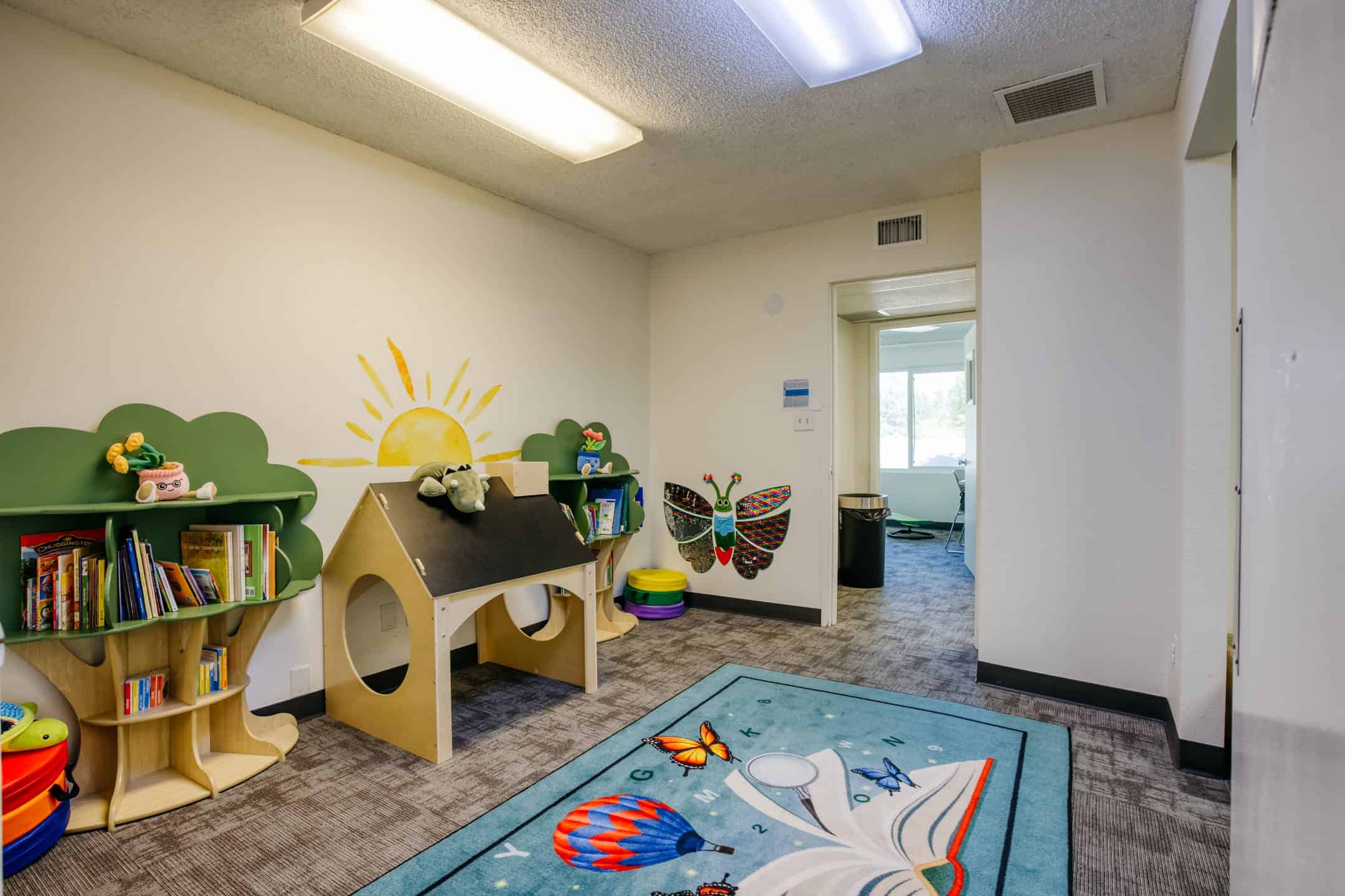
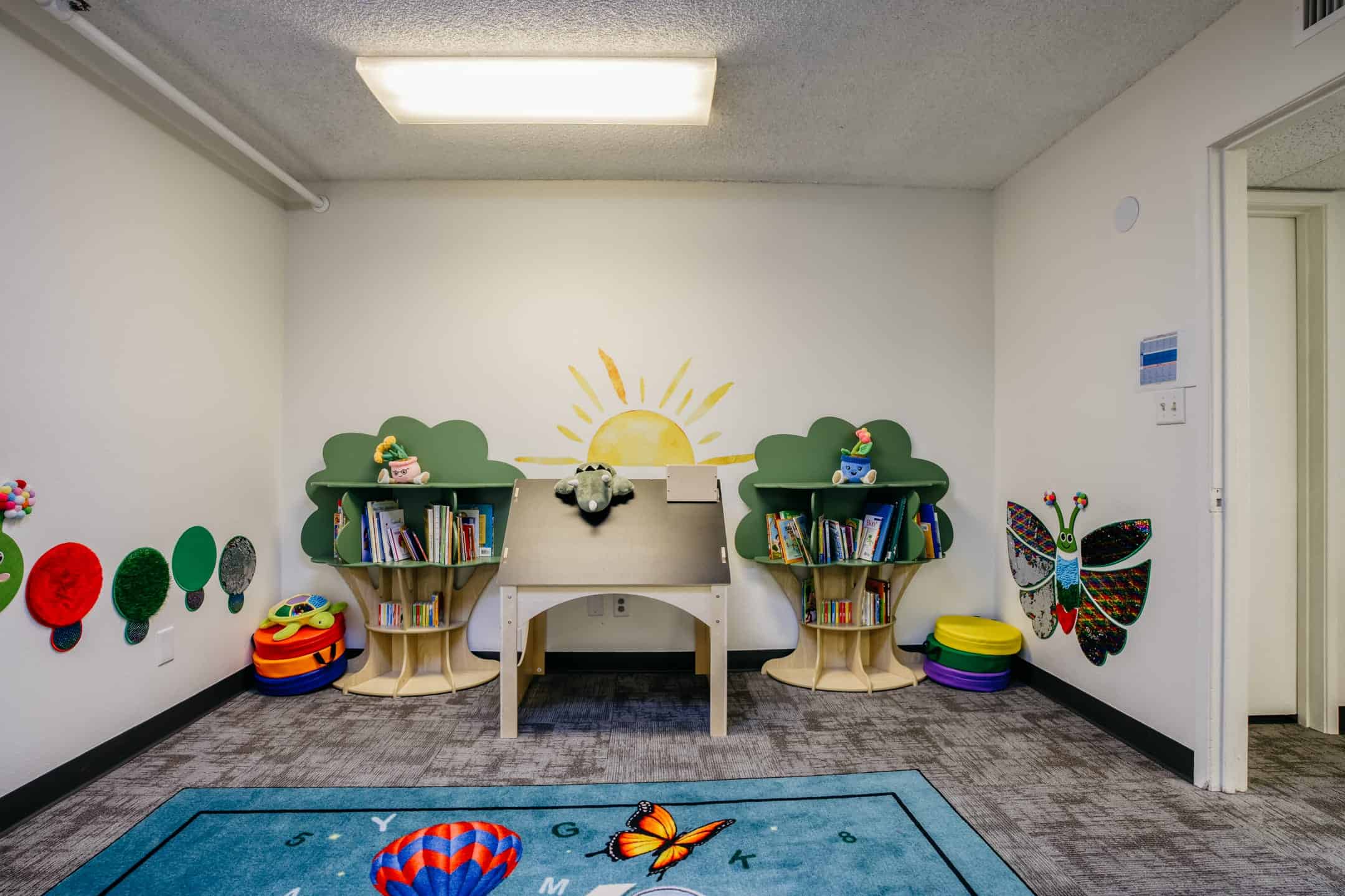
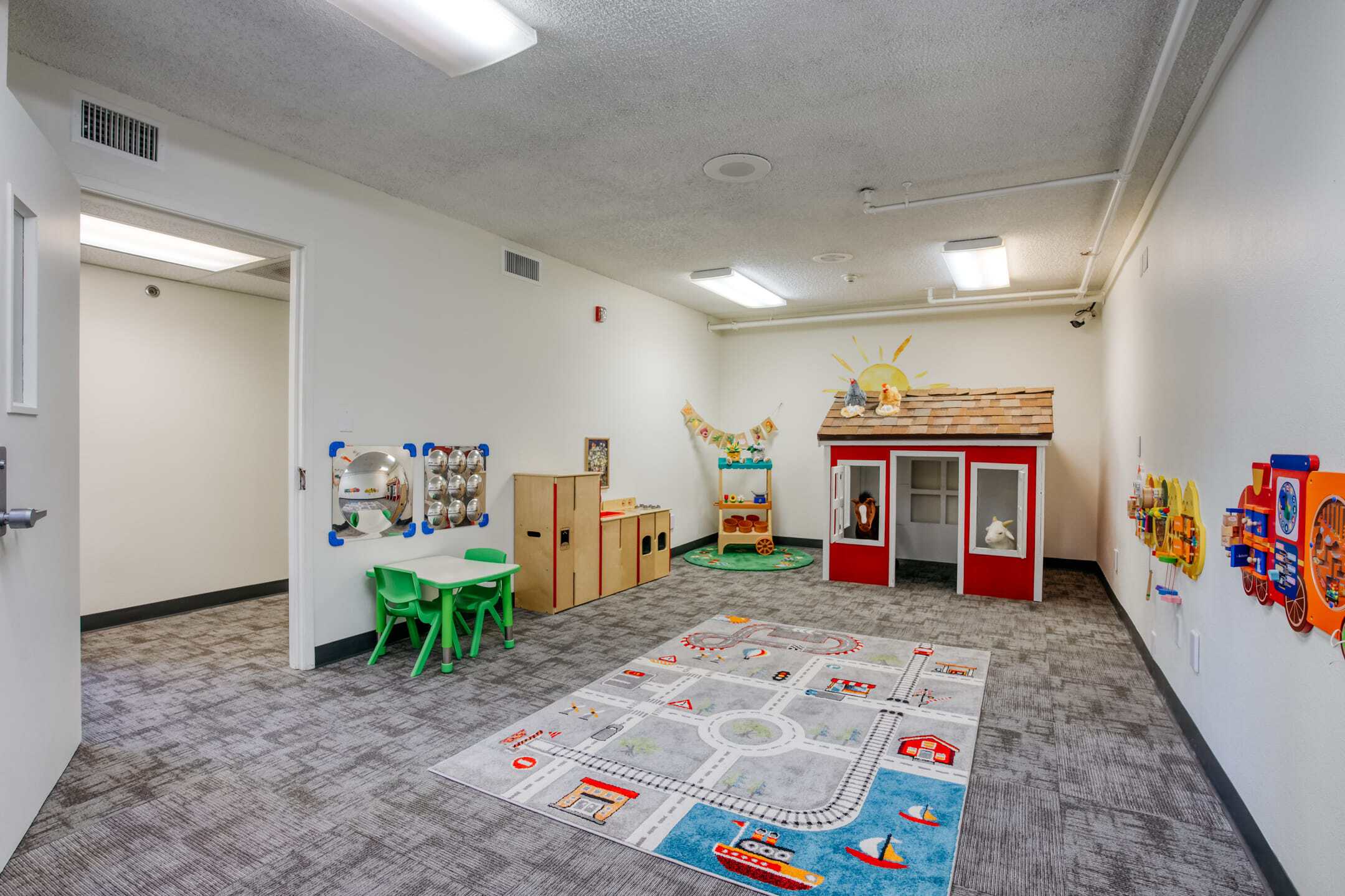
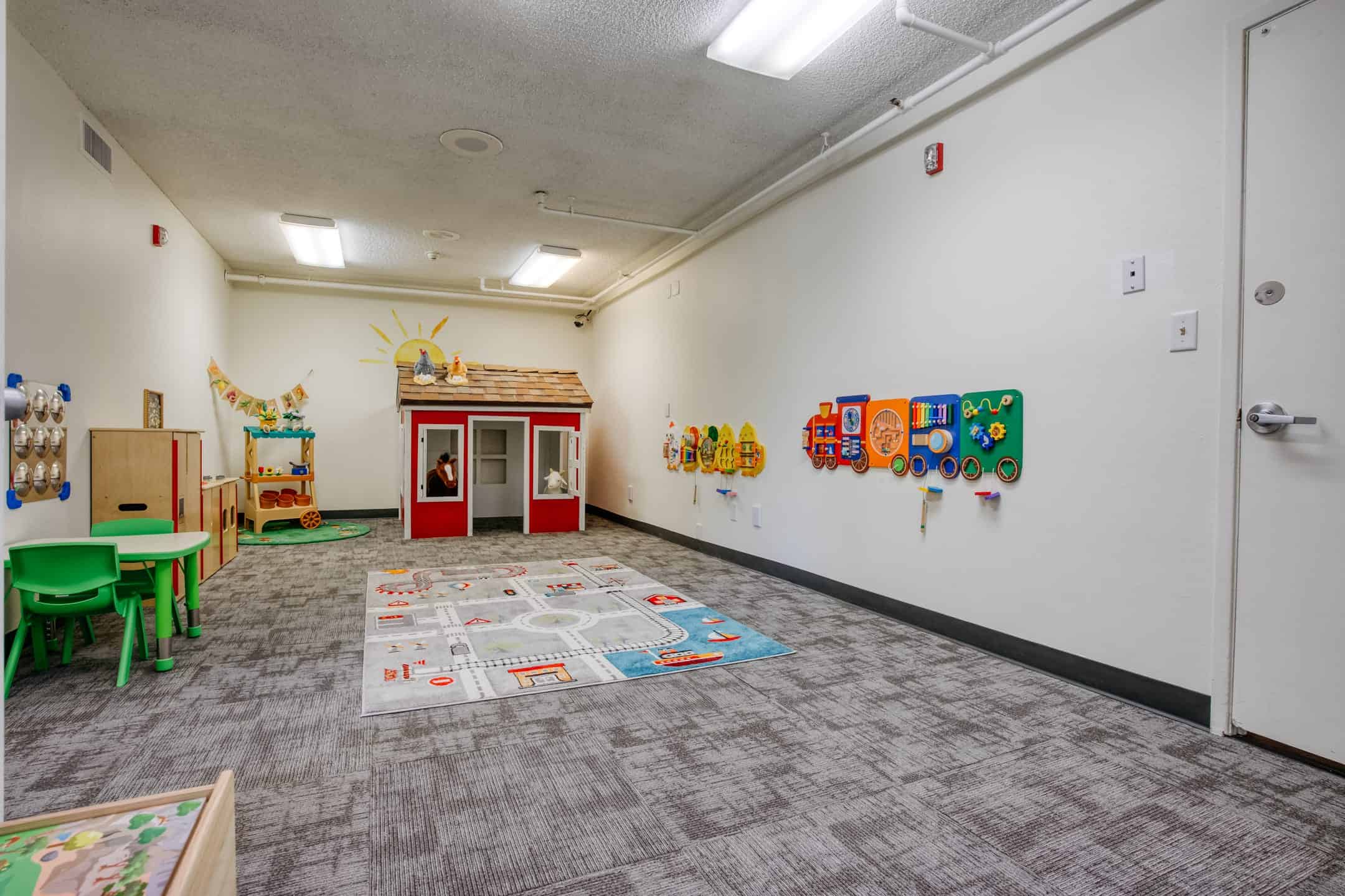
Early programs place a heavy emphasis on play-based learning. This makes the therapy feel natural and engaging for a young child. They learn to attend to tasks, follow simple routines, and interact with caregivers. These foundational skills are necessary for future success in a classroom setting.

School-based ABA services provide a bridge between clinical theory and classroom reality. Consultants work directly with teachers to implement strategies that keep students engaged and safe. This collaborative effort is essential for creating an inclusive learning environment.
A major benefit of this involvement is the significant reduction in disciplinary actions. In many cases, schools use these services to reduce student suspensions. Instead of removing a child from the classroom for a behavioral outburst, the focus shifts to understanding the trigger.
Staff learn to use academic and learning support techniques that de-escalate situations before they become crises. This keeps the student in the seat and learning, which is the ultimate goal of any educational program.
Training and support in ABA for parents are components of a successful program. When parents understand the “why” behind their child’s actions, they can respond with confidence instead of stress. This creates a consistent environment where the child knows what to expect at all times.
Empowering families means giving them practical tools for daily life. This might involve learning how to use a visual schedule or how to reward a child for trying a new food. These small shifts in parenting strategies lead to improvements in the home dynamic. It reduces the feeling of being trapped by a child’s behavior. When the whole family is on the same page, the child feels more secure and makes faster progress toward their goals.
As a child becomes more comfortable in these situations, their anxiety levels often drop. They no longer feel like an outsider looking in. This newfound confidence directly affects their ability to manage their feelings.
Emotional regulation improvements happen when a child feels understood and capable. If a child knows how to join a group or ask a friend to play, they are less likely to feel isolated or angry. The therapy provides a safe space to practice these social skills before trying them in the real world.
By breaking down complex social rules into smaller, manageable steps, the child learns to navigate the playground and the classroom with much less stress.
When a child engages in self-injury or aggression, the physical and emotional toll on the family is high. Behavior modification benefits focus on replacing these dangerous actions with safer alternatives. This transition to safer behavior allows the child to participate in more community activities.
They can go to the grocery store, visit a park, or attend a birthday party without the constant fear of a crisis. It provides the entire family with a sense of peace and freedom that was previously missing.
As the child grows, these skills shift toward more complex tasks. This might include:
These adaptive behaviors are essential for a successful transition into adulthood. When a child learns to care for themselves, they gain a sense of agency over their own life. It prepares them for a future where they can contribute to their community and live on their own terms.
At Education Behavior Consultant, we believe that therapy should be compassionate, contemporary, and comprehensive. We recognize that the old ways of simply demanding compliance do not work for every child. Our approach is rooted in trauma-informed care and person-centered planning. We see the child as an individual with unique rights and preferences. Our goal is to build capacity within families and schools so that our support becomes unnecessary over time.
Applied Behavior Analysis remains the gold standard because it evolves with the needs of the community. For families in Fresno, Clovis, and San Diego, finding a partner who understands the balance between clinical science and human empathy is the first step toward a brighter future.
At Education Behavior Consultant, we are dedicated to providing that balance. We move beyond the basics to ensure that every child we serve has the opportunity to succeed in school and at home. Our commitment to reducing student suspensions and empowering parents defines our work every day.
If you are ready to see how a contemporary approach can make a difference for your family or your school district, contact us today to start a conversation about your child’s potential.
Is ABA therapy only for children with an autism diagnosis?
While it is most commonly associated with autism, these principles are effective for anyone struggling with behavioral challenges or learning delays. The strategies work for various developmental disabilities and even for neurotypical individuals who need help with organizational or social skills.
How many hours of therapy does a child typically need?
The number of hours depends entirely on the child’s specific needs and the goals set by the family and clinical team. Some children benefit from a few hours of focused social skills training, while others require more intensive early intervention.
Does insurance cover these services in California?
Most private insurance plans in California are required to cover behavioral health treatment for autism. Coverage details vary by provider, but our team helps families navigate the insurance authorization process to ensure they receive the support they need.
What is the difference between traditional and contemporary ABA?
Traditional methods often focused heavily on repetition and compliance in a desk setting. Contemporary approaches are more naturalistic and play-based. They prioritize the child’s motivation and use trauma-informed strategies to ensure the child feels safe and respected.
Can this therapy help with academic performance?
Yes. By improving a child’s ability to focus, follow directions, and manage frustration, the therapy creates a foundation for learning. Specialists work alongside teachers to adapt the curriculum so that the student can access the material more effectively.