ABA Isn’t Just for Kids: What Adult ABA Therapy Looks Like
QUICK TAKEAWAY Primary Insight: Applied behavior analysis for adults targets independent-living, vocational, and social skills rather than early-childhood milestones, and

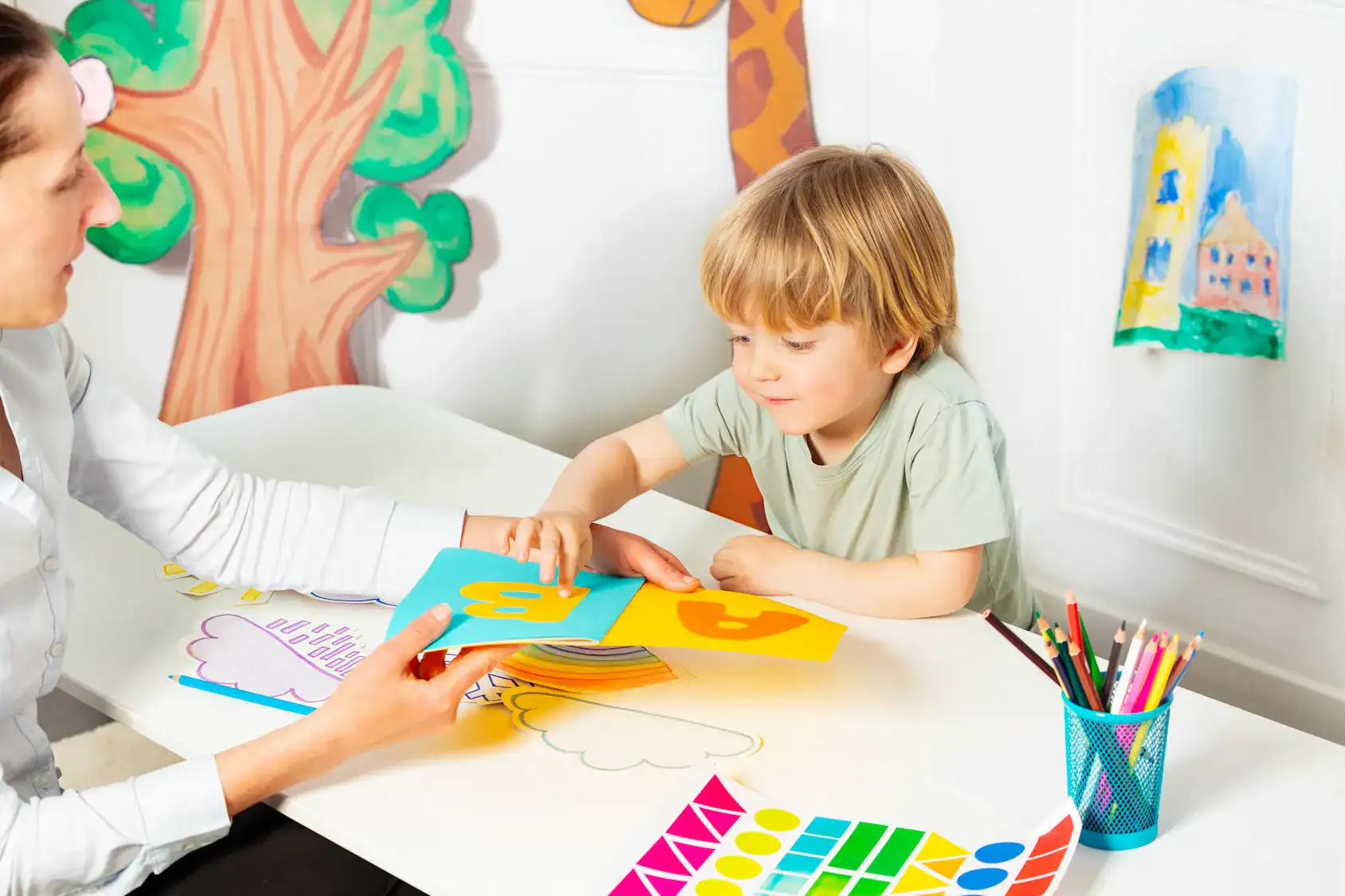
If you’ve searched “what is ABA therapy,” you’re likely trying to understand how this evidence-based approach supports children with autism and other developmental differences. Applied Behavior Analysis (ABA) is a structured yet flexible therapy that focuses on how behavior works, how it’s influenced by the environment, and how learning happens.
The goal of ABA is to build meaningful skills and reduce barriers that may limit a person’s independence. This could mean helping a child improve communication, strengthening social skills, or learning daily routines that foster confidence and autonomy.
The roots of ABA therapy stretch back to the 1960s, when psychologists began applying behavioral science to real-world challenges. Early approaches emphasized structured teaching, and over time, the field grew with advancements in developmental psychology and education.
Today, ABA is endorsed by organizations such as the American Academy of Pediatrics and the U.S. Surgeon General. With decades of research behind it, ABA continues to evolve with modern practices that emphasize compassion, personalization, and collaboration with families.
ABA is not a one-size-fits-all program. Every child has unique strengths and goals, so therapy is highly customized. A typical process may include:
Assessment: Therapists gather information about your child’s abilities, needs, and environment.
Goal setting: Families and clinicians work together to identify meaningful outcomes.
Intervention: Skills are taught using structured activities and natural opportunities, always focusing on positive reinforcement.
Tracking progress: Data is collected to evaluate growth and adjust strategies.
This ongoing cycle ensures therapy stays relevant and effective as your child grows.
ABA therapy is most widely used for children with autism spectrum disorder, but its applications go far beyond. Individuals with developmental delays, attention challenges, or learning differences can also benefit. Therapy may focus on language development, social engagement, or independent living skills, depending on the person’s needs.
What makes ABA particularly effective is its adaptability. It can take place at home, in schools, or in clinical settings, and it can be adjusted to suit toddlers, children, teens, or young adults.
One section deserves extra attention because it explains why families consistently turn to ABA therapy for support. Key advantages include:
These strengths explain why ABA remains a cornerstone of autism support worldwide.
If you’ve been wondering “what is ABA therapy,” the answer is clear: it’s a flexible, research-backed approach designed to help children develop meaningful skills and gain independence. While the methods are evidence-based, the true heart of ABA lies in its ability to adapt to your child’s unique needs and goals.
At EducationBX, we’re committed to walking alongside you every step of the way. Whether you’re exploring therapy for the first time or seeking a trusted provider, our team is here to help. Reach out today to learn how we can support your family with compassionate, effective ABA care.
QUICK TAKEAWAY Primary Insight: Applied behavior analysis for adults targets independent-living, vocational, and social skills rather than early-childhood milestones, and
QUICK TAKEAWAY Primary Insight: An RBT delivers your child’s day-to-day ABA sessions, and a BCBA designs and directs the treatment
At Education Behavior Consultants, our work has always been about more than delivering services — it’s about showing up for
Parents often hear a wide range of recommendations for ABA therapy, from just a few hours a week to full-time
A child who cannot ask for help may cry, hit, drop to the floor, or shut down instead. A child
Parents often notice small changes before anyone else does. A toddler who stops responding to their name. A preschooler who