Building Real Friendships: What Social Skills Training in ABA Teaches
QUICK TAKEAWAY Primary Insight: Social skills training in ABA breaks broad goals like “make friends” into specific, teachable skills, starting

| QUICK TAKEAWAY Primary Insight: Social skills training in ABA breaks broad goals like “make friends” into specific, teachable skills, starting a conversation, reading a peer’s reaction, joining a group, and practices them with real feedback until they hold up outside the training room. Key Fact: The National Clearinghouse on Autism Evidence and Practice identifies social skills training, peer-based instruction, and social narratives (including Social Stories) as evidence-based practices for building social skills in children and young adults on the autism spectrum. Best Suited For: Parents wondering what a social skills group works on day to day, and whether it’s more than supervised playtime. |
Ask a parent what a social skills group does, and a common guess is supervised playtime with some gentle redirecting. What happens in a well-run group looks more like practice for a specific skill: reading a face, timing a joke, recovering from an awkward pause, drilled the same deliberate way a coach drills a free throw.
Friendship for an autistic child rarely comes from one breakthrough moment. It comes from getting through the small, specific pieces that make up a conversation or a group activity often enough that they stop requiring so much effort.
Social skills training in ABA takes broad goals like “be more social” and breaks them into specific, practiced skills: starting a conversation, reading a peer’s reaction, joining a group already in progress, repairing a misunderstanding. Each piece gets taught directly, practiced with feedback, and carried into real settings.
| Category | Informal Social Exposure | Structured Social Skills Training |
| What’s taught | General exposure to peers | A specific, named skill, like joining a group |
| How it’s practiced | Trial and error in the moment | Modeled, rehearsed, and given feedback |
| Who’s involved | Peers and family, incidentally | A BCBA or RBT, often alongside peers |
| How progress is tracked | Not tracked | Data on specific skills across settings |
Social skills training in ABA works on the specific, named skills that the National Clearinghouse on Autism Evidence and Practice identifies as evidence-based, including social skills training itself, peer-based instruction, and social narratives such as Social Stories.
That evidence base is specific about what works: a 2020 systematic review of the intervention research found social skills training, peer-mediated interventions, and social narratives all met the criteria for evidence-based practices addressing social skills in children and young adults on the autism spectrum.
In practice, that translates into things like modeling a greeting before a child tries it, rehearsing a response to teasing, or walking through a written script before a situation that’s hard to predict, then practicing it with a peer or coach until it holds up outside the session.
Telling a child to “be friendlier” gives them nothing concrete to do. Teaching a child to look toward whoever is talking and say one thing about what they just said gives them a step they can practice, notice themselves using, and get feedback on.
That specificity is what makes a skill teachable in the first place, and it’s why a social skills program targets one piece of a social interaction at a time instead of the whole interaction at once.
A social skills group draws from a specific set of teachable pieces, not a general curriculum on being social:
Goals for social skills training work best when they name a specific behavior in a specific setting, not a broad target like “be more social.”
A useful goal reads something like: initiate a greeting with one peer during recess, three times a week. That level of detail is also what makes progress measurable: a BCBA can track whether the specific behavior is happening, in which settings, and whether it’s starting to show up on its own.
If you want a fuller picture of the broader set of skills ABA covers, social skills are one piece of a larger plan built around your child’s specific goals.
Social skills training in ABA is a structured practice area that breaks broad social goals into specific, teachable skills, like starting a conversation or joining a group, then models, rehearses, and gives feedback on each one until it holds up in real settings.
Social Stories are short, written or visual scripts that walk through what to expect and how to respond in a specific social situation, and they’re used to prepare a child for moments that are hard to predict in the moment, like a fire drill or a birthday party.
Typical social skills goals name a specific behavior in a specific setting, such as initiating a greeting with one peer during recess three times a week, rather than a broad target like being more social overall.
Social skills training is one practice area within ABA therapy, not a separate therapy on its own, and it’s typically built into a broader treatment plan alongside other goals your child’s BCBA has identified.
A BCBA typically identifies the need for social skills training through direct assessment of how your child handles specific social situations, like starting a conversation or joining a game, so the clearest first step is asking your child’s care team whether social skills are already part of the plan.
A child doesn’t need a single dramatic breakthrough to build real friendships. They need the same small, specific skills practiced often enough, with the right feedback, that using them stops feeling like work.
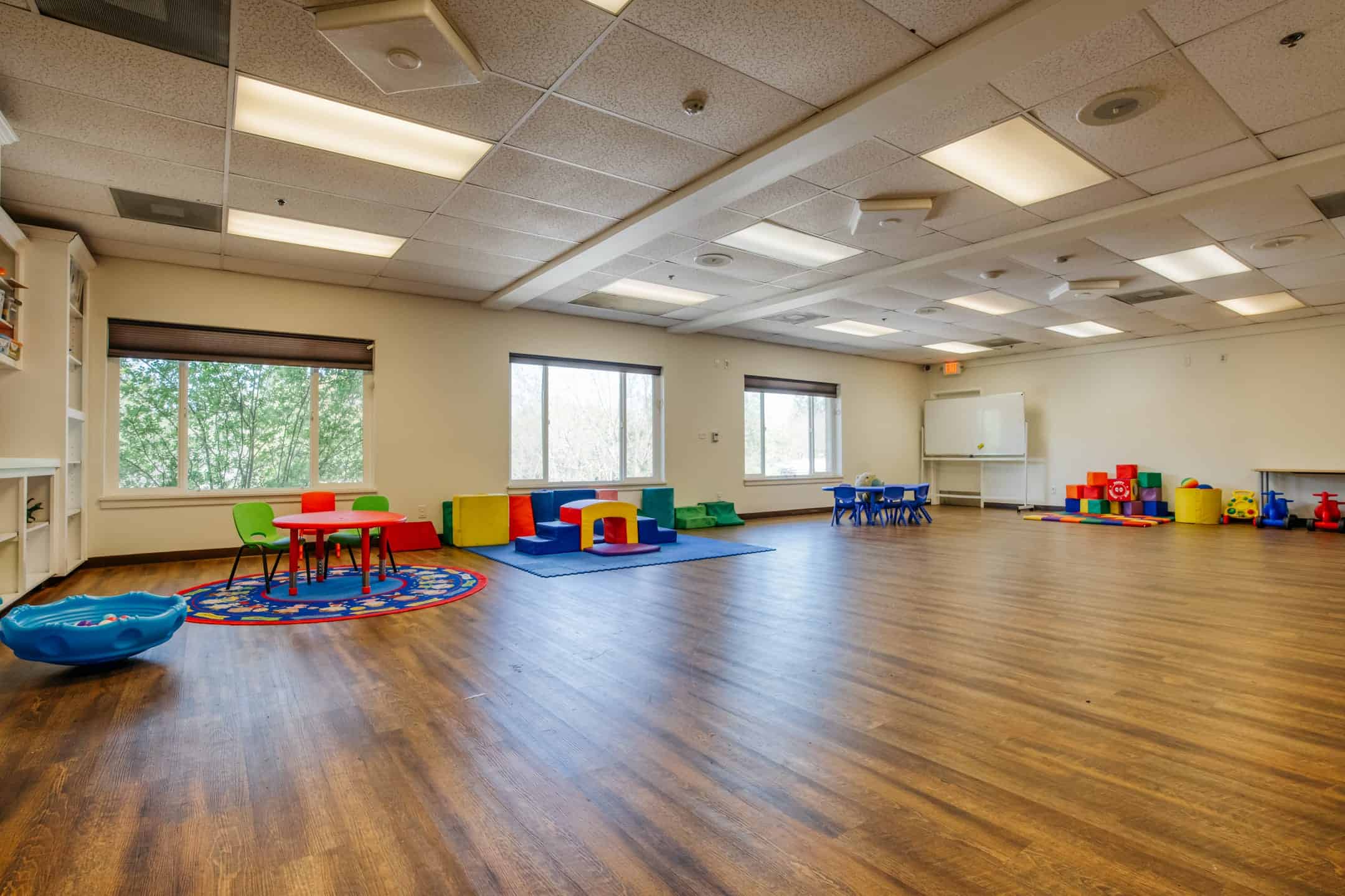
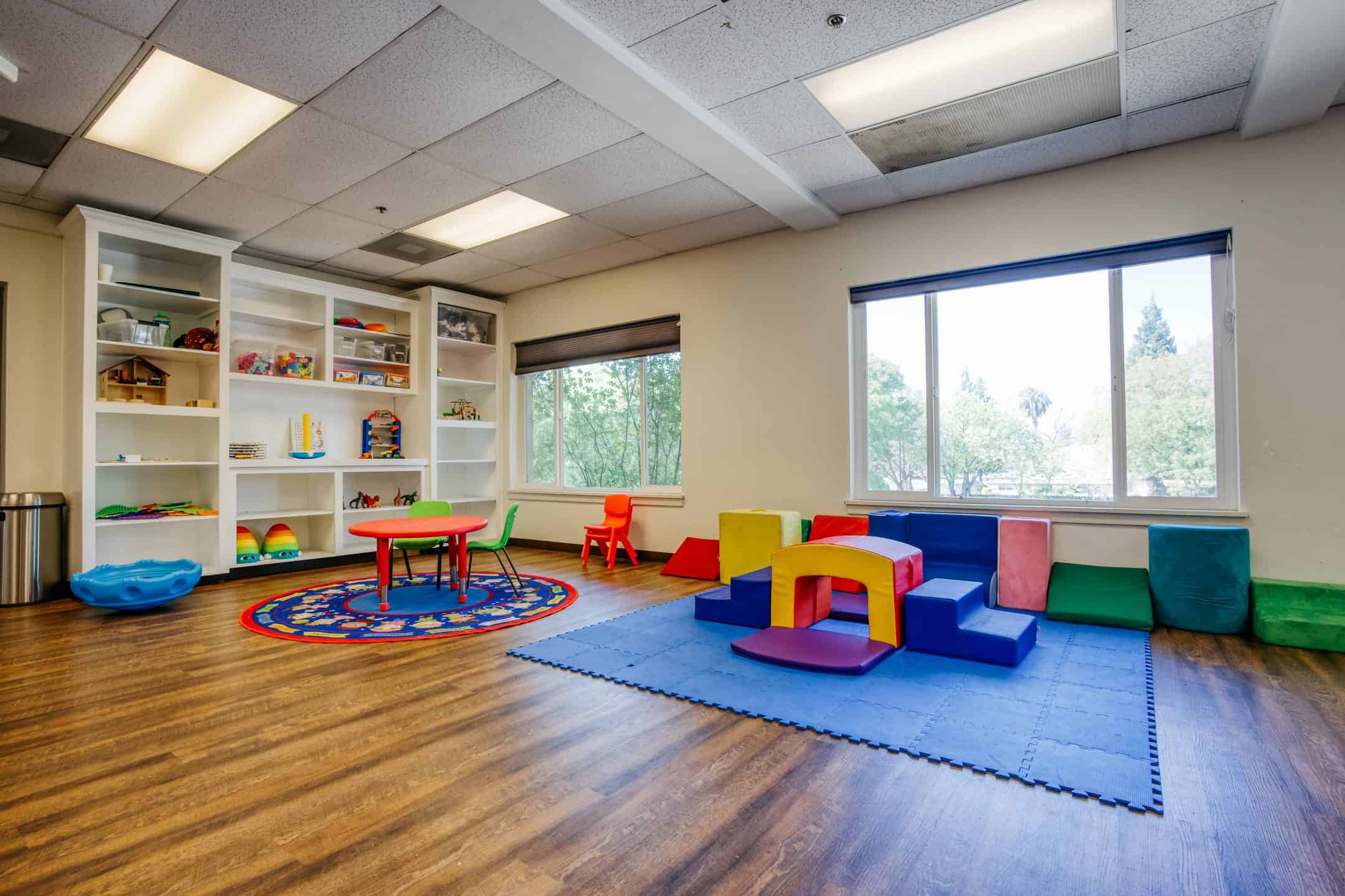
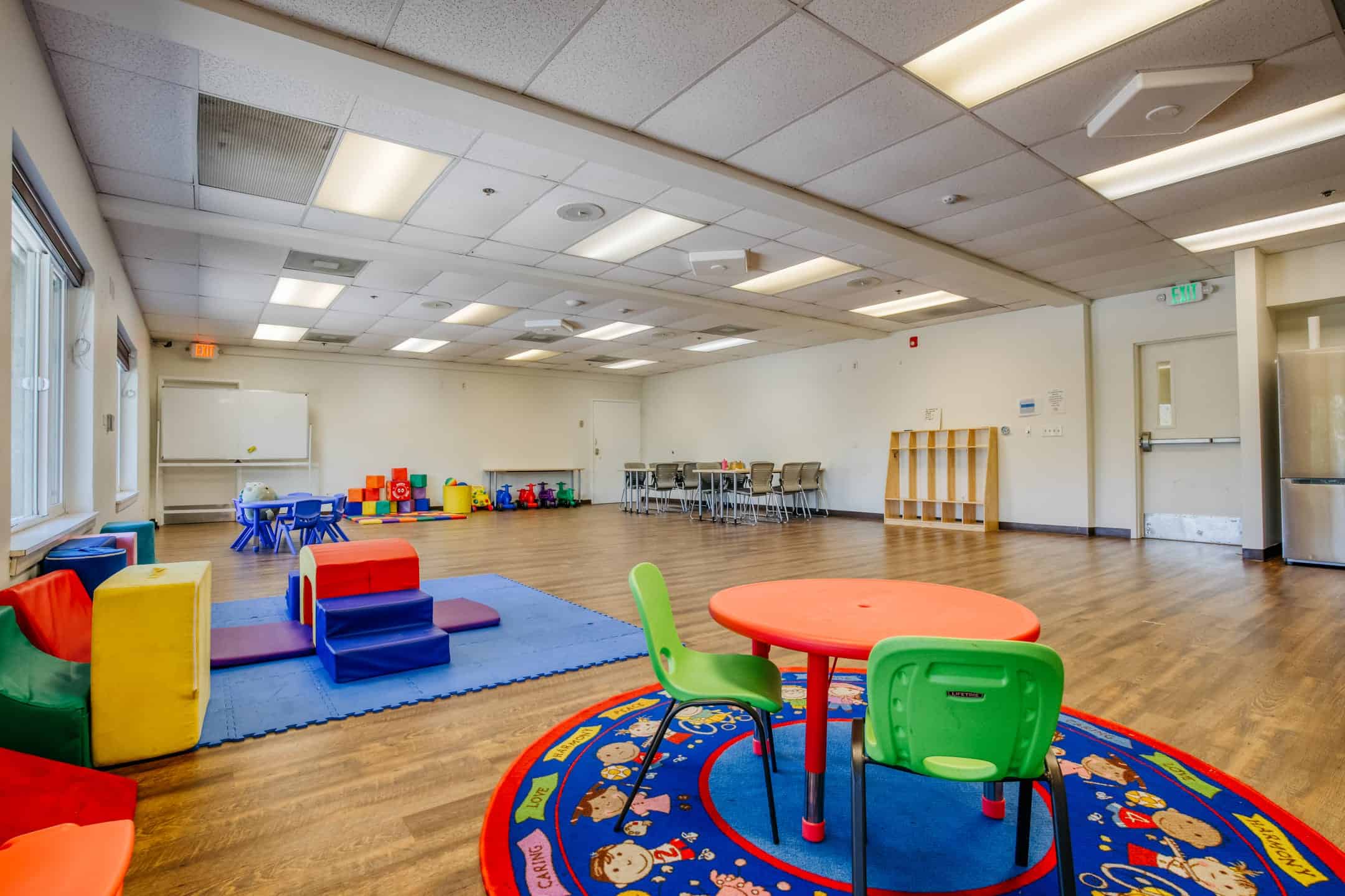
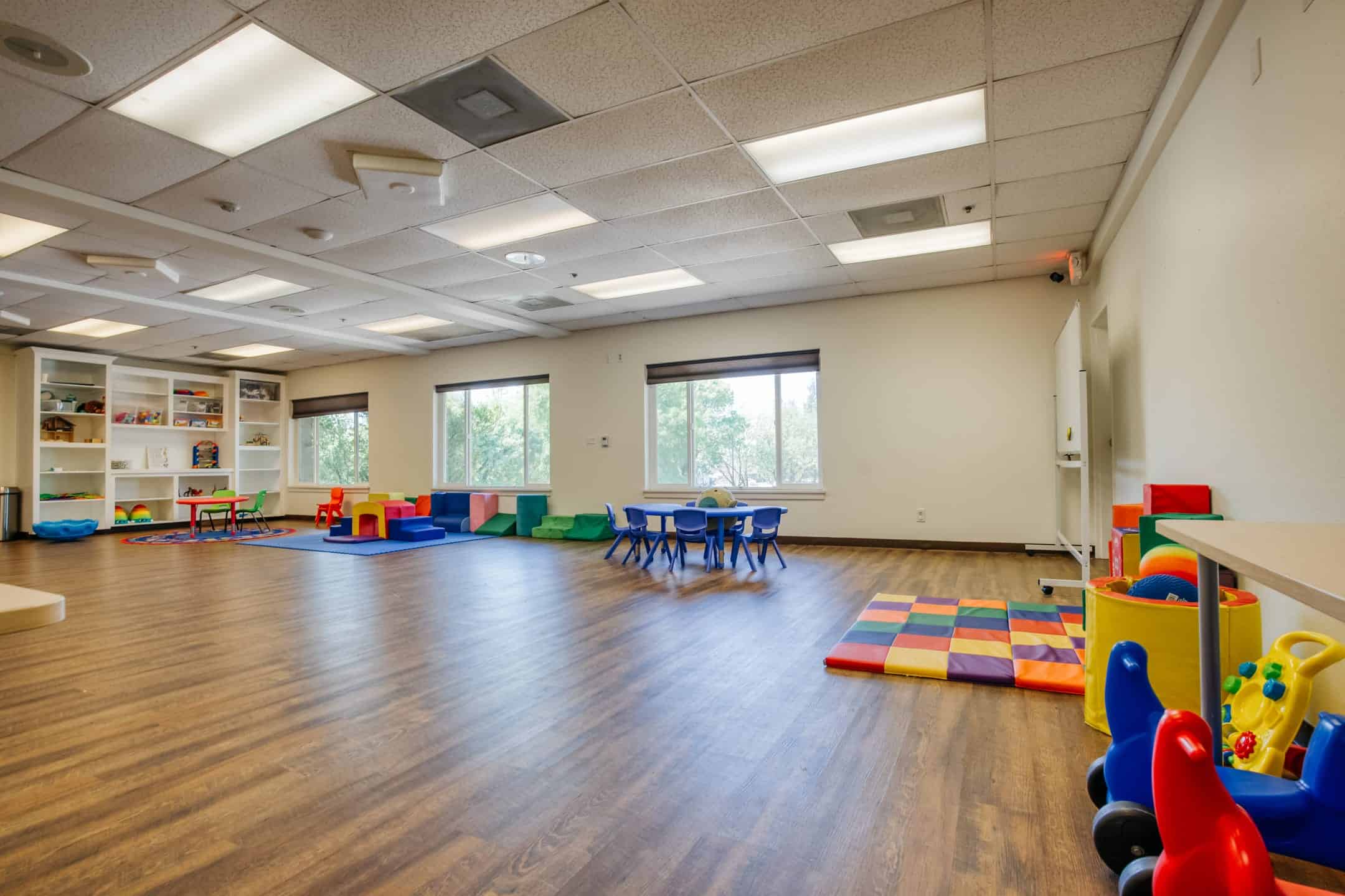
Our Social Skills Training Program in Clovis brings small groups of children and teens together with experienced BCBAs and RBTs who teach conversation skills, emotional awareness, perspective-taking, and problem-solving directly, then help those skills carry over into home, school, and the wider community.
If you want to see whether a social skills group would fit your child, schedule a consultation with our clinical team.
QUICK TAKEAWAY Primary Insight: Social skills training in ABA breaks broad goals like “make friends” into specific, teachable skills, starting
QUICK TAKEAWAY Primary Insight: ABA therapy for parents means learning the same strategies your child’s BCBA has built into their
QUICK TAKEAWAY Primary Insight: Applied behavior analysis for adults targets independent-living, vocational, and social skills rather than early-childhood milestones, and
QUICK TAKEAWAY Primary Insight: An RBT delivers your child’s day-to-day ABA sessions, and a BCBA designs and directs the treatment
At Education Behavior Consultants, our work has always been about more than delivering services — it’s about showing up for
Parents often hear a wide range of recommendations for ABA therapy, from just a few hours a week to full-time