What Are ABA Services? A Parent’s Guide to How Care Is Structured
If you’ve read our guide on what ABA therapy is, you already know the basics of the approach — how


If you’ve read our guide on what ABA therapy is, you already know the basics of the approach — how behavior works, how learning happens, and why it’s considered an evidence-based standard of care. This post picks up where that one leaves off, and answers a different, more practical question: once you decide to pursue ABA, what does the actual service look like, and how do all the pieces fit together?
“ABA services” isn’t one single thing. It’s a collection of settings, intensities, and formats that get combined into a plan built around your child specifically. Here’s how to make sense of it.
Before any services begin, a Board Certified Behavior Analyst (BCBA) conducts an initial assessment — evaluating your child’s current skills, behaviors of concern, and your family’s priorities. This assessment is what determines everything that follows: which settings make sense, how many hours are appropriate, and which specific goals come first. Services aren’t chosen off a menu; they’re built around what the assessment actually shows.
From there, your BCBA writes an individualized treatment plan with measurable goals, and progress is tracked and reviewed on an ongoing basis — not just checked once and left alone. If goals aren’t being met, or your child progresses faster than expected, the plan adjusts.
ABA can be delivered in more than one physical setting, and most families end up using some combination rather than just one:
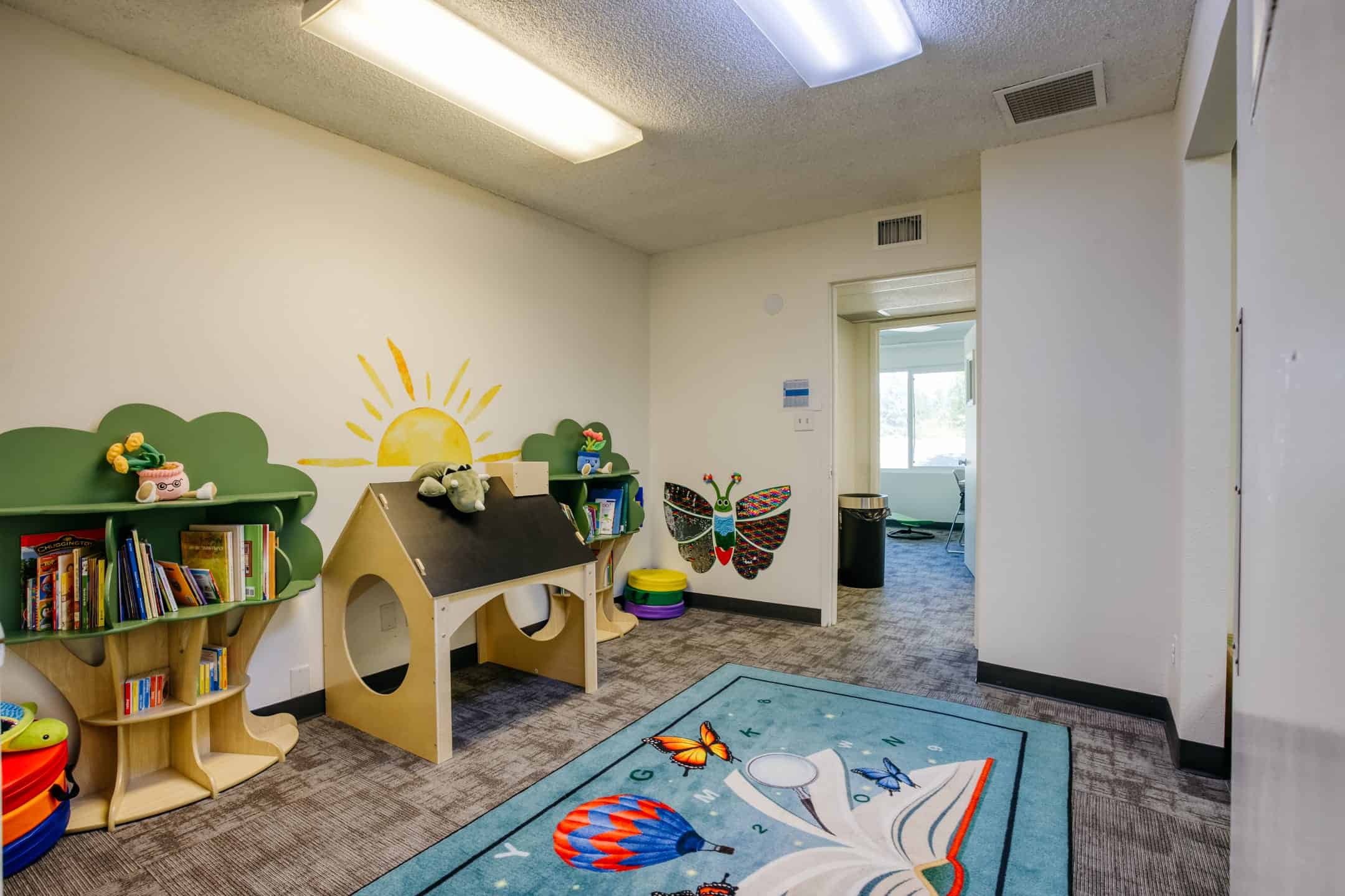
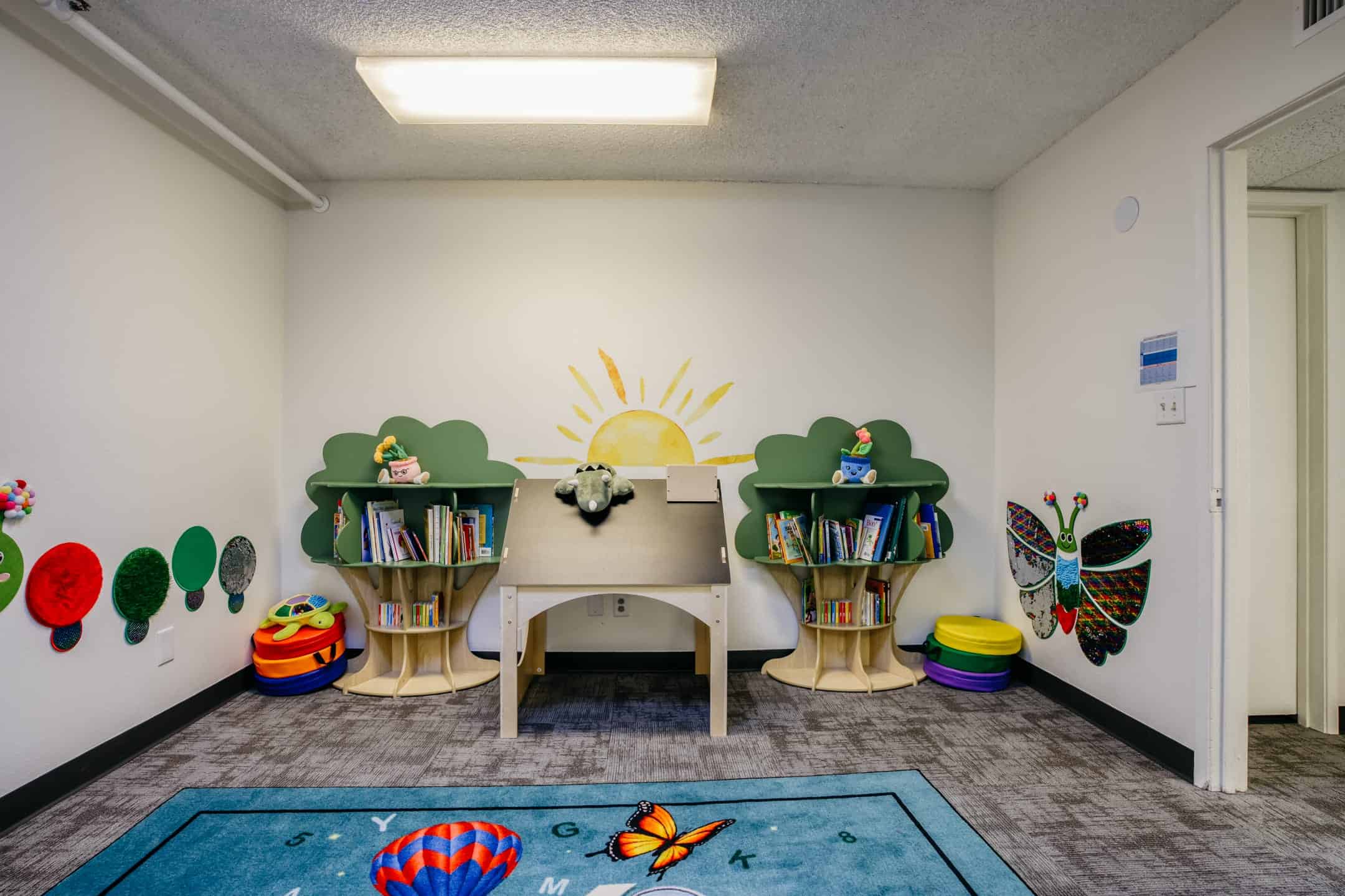
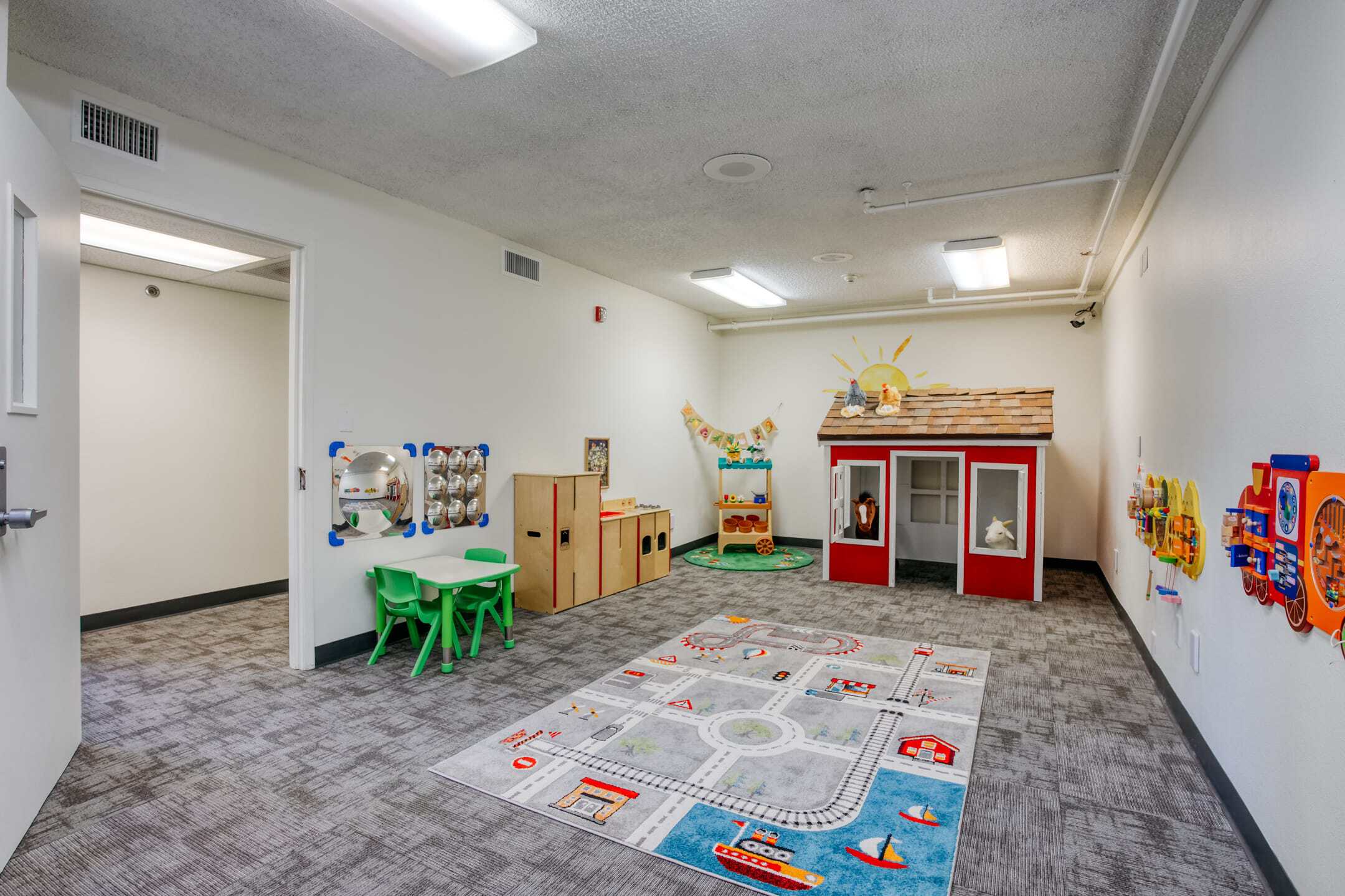
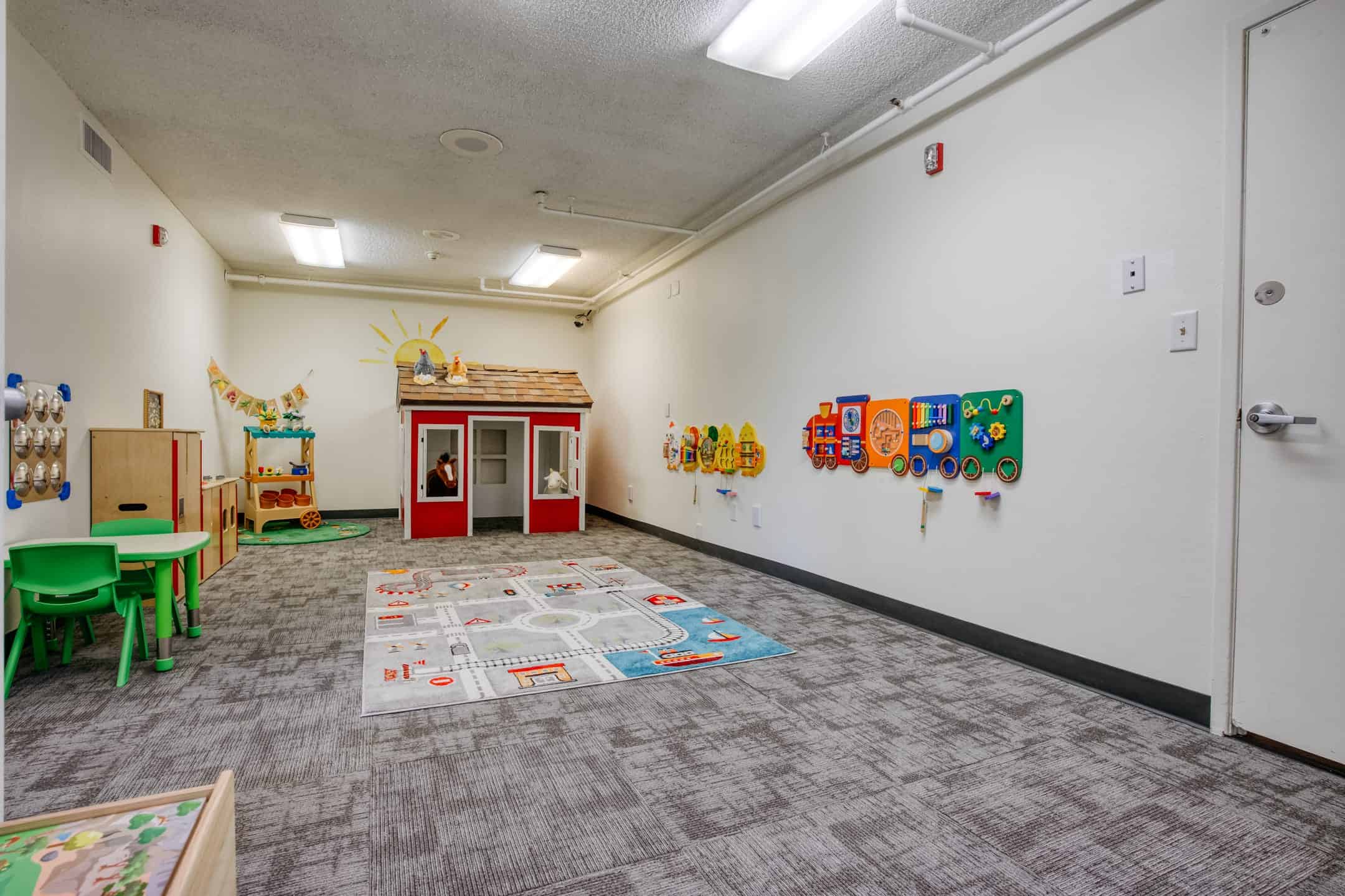
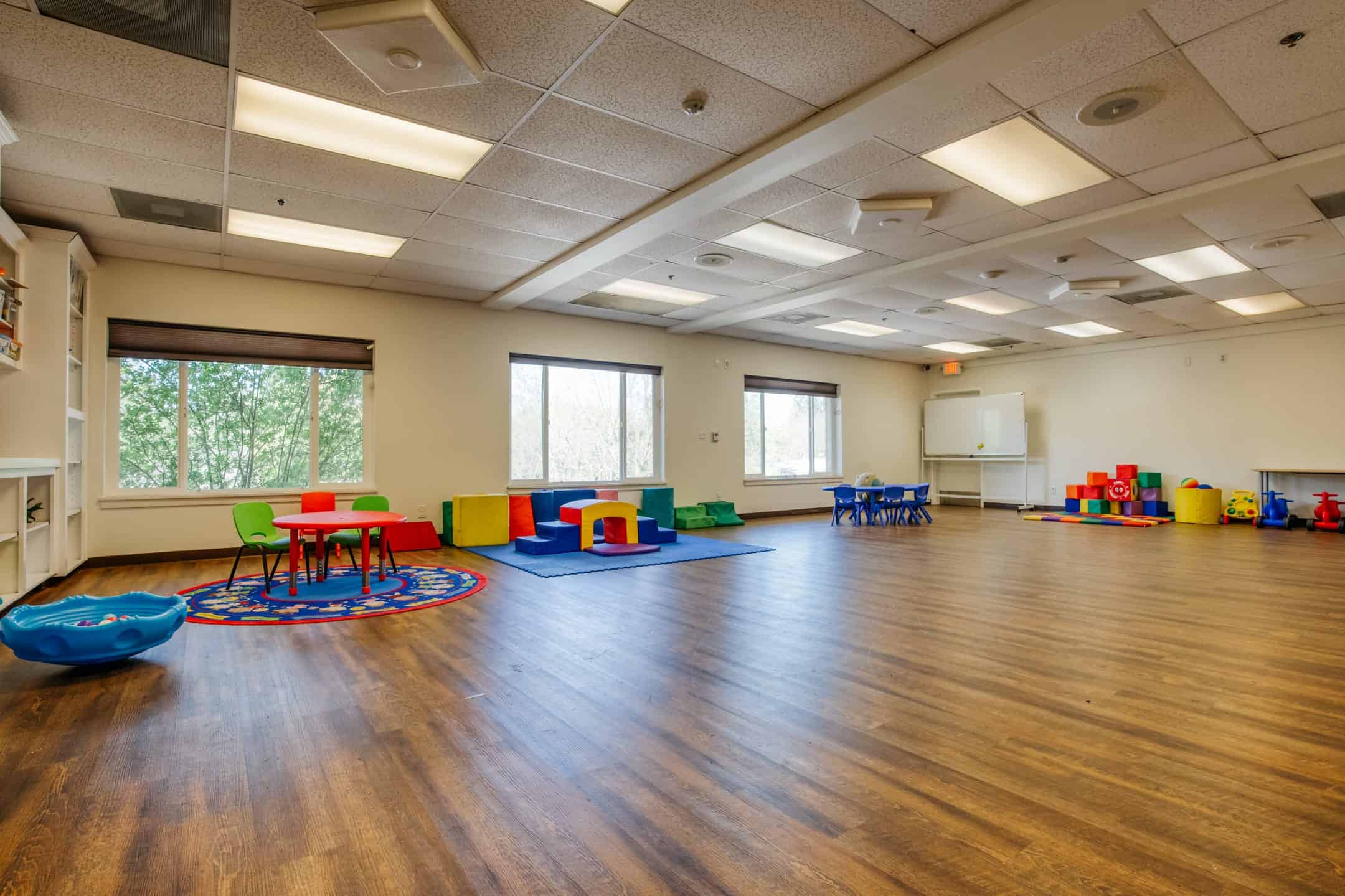
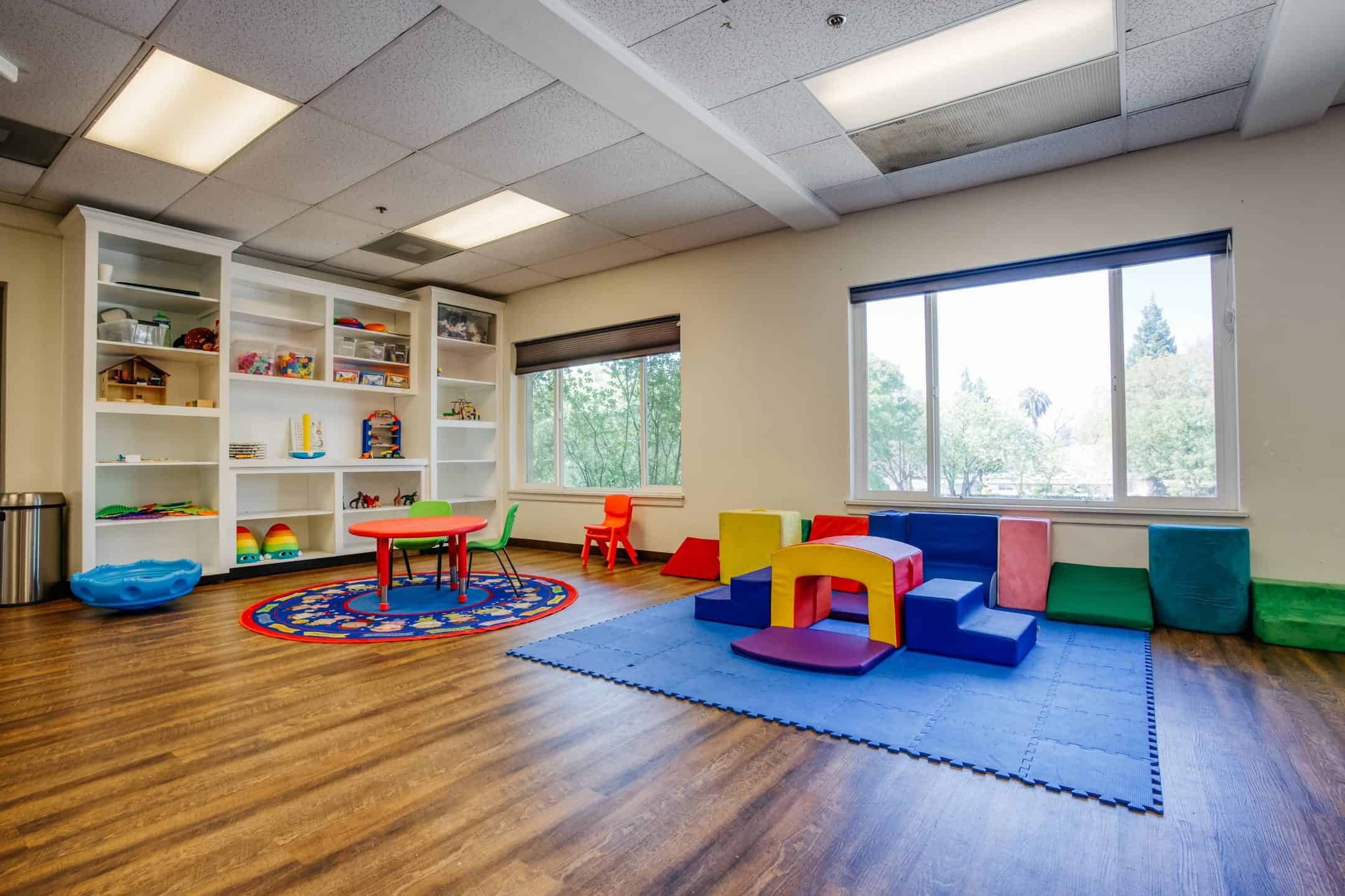
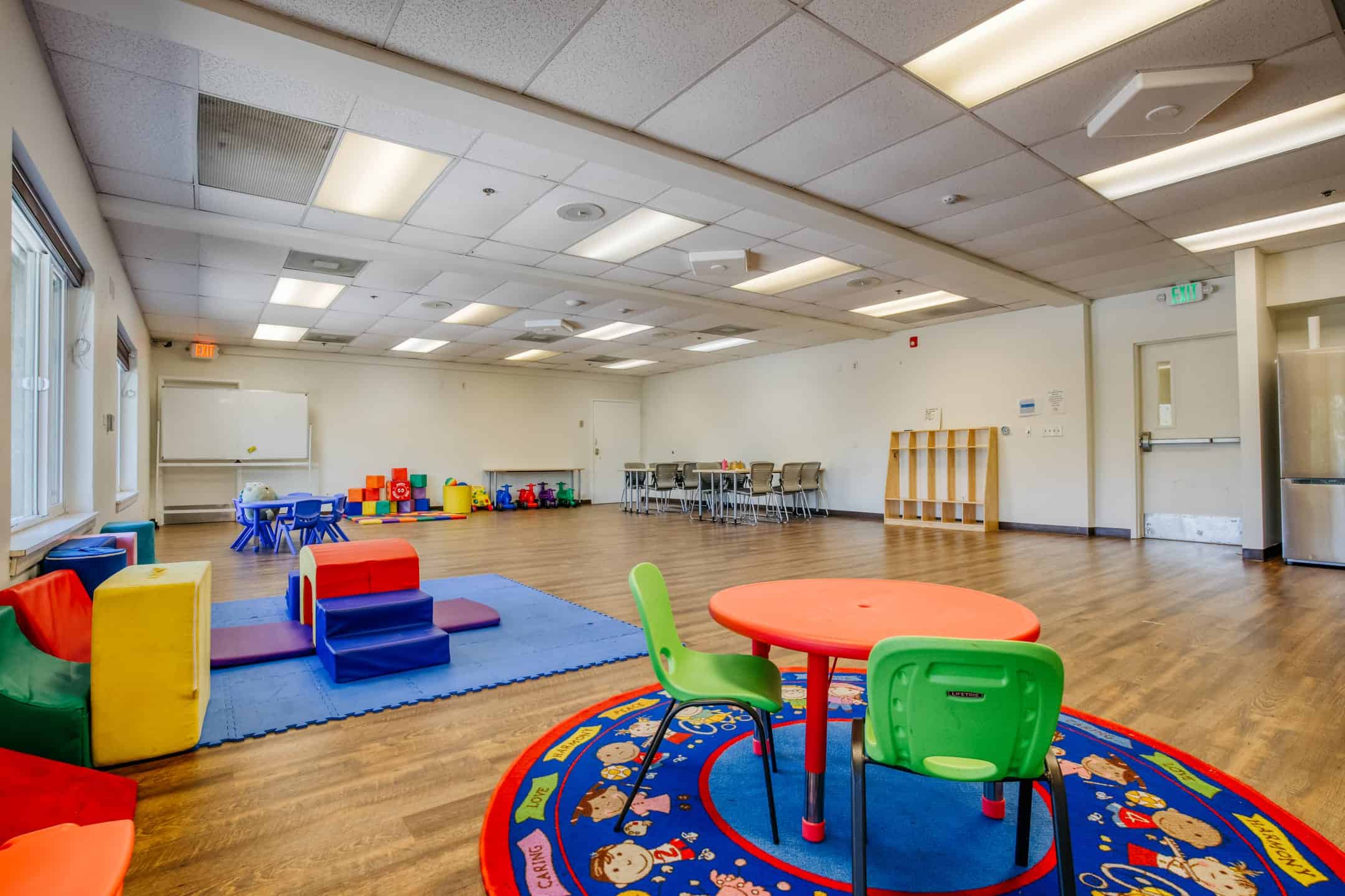
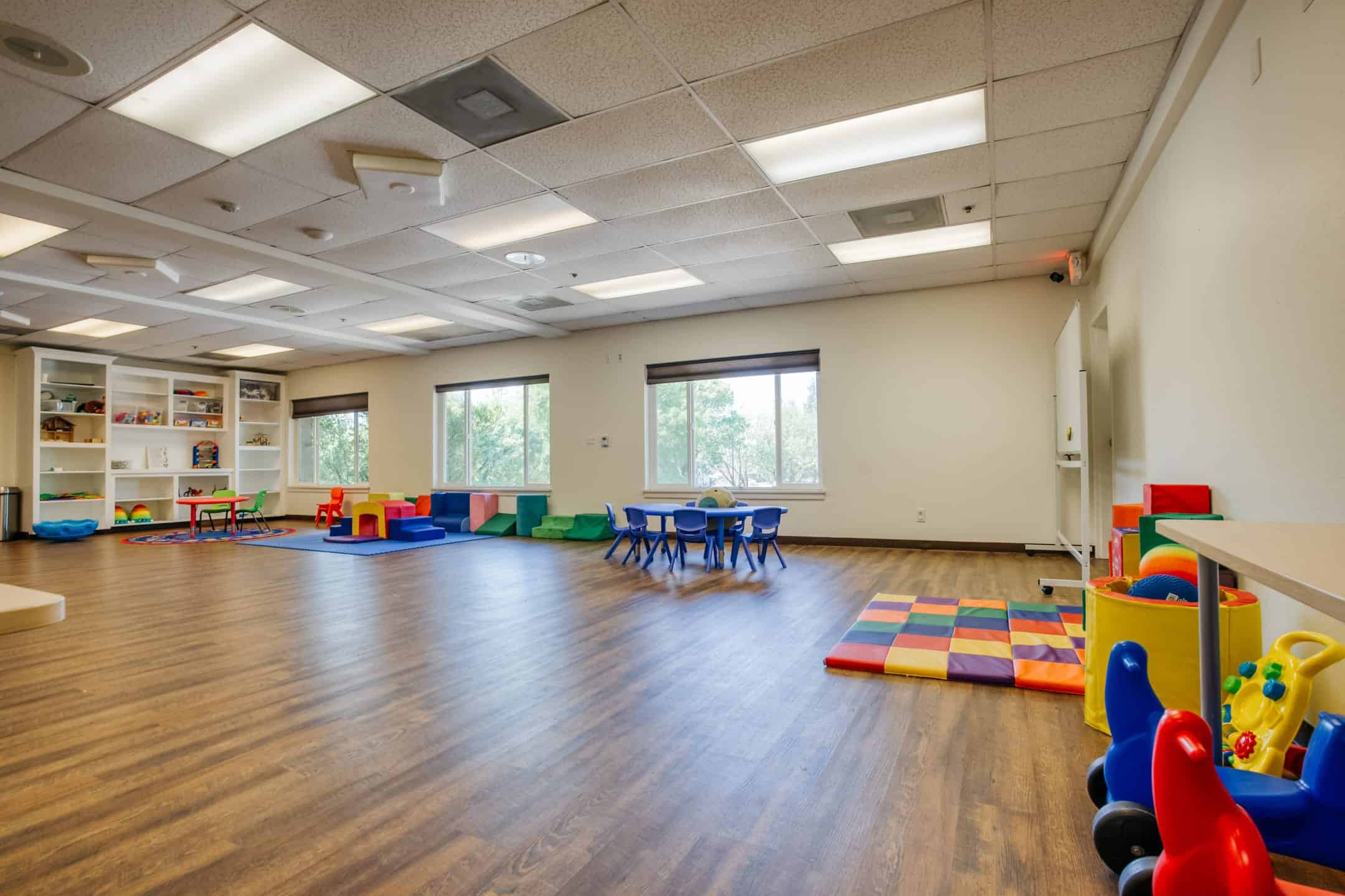
Center-based services. Sessions happen at a dedicated facility, which offers a structured, distraction-controlled environment along with access to peers and specialized materials — particularly valuable for social skill-building and school readiness.
Home-based (in-home) services. A therapist works with your child in your own living environment, building skills exactly where they’ll be used — mealtimes, bedtime routines, morning transitions. We cover this in depth in our guide to home-based ABA therapy, including what a typical in-home session looks like and when it’s the better fit.
School-based services. For children with an IEP or classroom behavior concerns, ABA support can extend directly into the school setting — functional behavior assessments, behavior intervention plans, and staff coaching so strategies stay consistent between home, therapy, and the classroom. Our post on ABA in the classroom and IEPs walks through exactly how that coordination works.
Community-based services. As independence-focused goals become more relevant (especially for older children and teens), some services move into real-world community settings — practicing a skill at a store, on public transportation, or in a part-time job setting.
Not every child needs the same number of hours, and “more hours” isn’t automatically the right answer. ABA is generally categorized into two intensity levels:
Comprehensive ABA addresses multiple areas of functioning at once — communication, social skills, behavior, and adaptive skills together — and typically runs in the range of 20–40 hours per week, often over a longer treatment timeline. This is more common for younger children with needs across several developmental areas.
Focused ABA targets a smaller, more specific set of skills or behaviors, generally at a lower weekly hour range, with a shorter, more defined timeline. This is more common for older children, teens, or situations where the need is narrower — a specific behavior, a specific skill gap, or a set of well-defined goals.
Your BCBA determines which category — and exactly how many hours within it — fits your child based on the initial assessment, not a standard formula. We go deeper on how that hours decision gets made in our post on ABA therapy hours, if you want the full breakdown.
Most ABA work happens one-on-one, particularly early on — a dedicated therapist working directly with your child on individualized goals. But group formats matter too, especially for social skills. Small-group sessions give children real practice with peer interaction, turn-taking, sharing, and group problem-solving in a supported setting that one-on-one work can’t fully replicate. Many treatment plans use both: individual sessions for personalized skill-building, paired with group sessions for social practice.
ABA looks different depending on your child’s age, because the goals themselves shift over time:
Early intervention (toddlers and young children). The earliest window of ABA often focuses on foundational communication, play, and social engagement skills, when the brain’s capacity for rapid learning is especially high.
School-age children. Building on those foundations, with more emphasis on following instructions, peer interaction, and skills that support classroom success.
Teens. The focus shifts toward independence, self-advocacy, emotional regulation for more complex social situations, and early transition planning. We cover this shift in detail in our post on ABA therapy for teens.
Young adults. For many families, this stage transitions into a dedicated adult life skills and coaching model — vocational skills, social confidence, and independent living support, rather than the treatment-plan structure used in childhood ABA.
Regardless of setting or intensity, most ABA services are delivered through the same core team structure: a BCBA designs and oversees the treatment plan, while a Registered Behavior Technician (RBT) delivers most direct sessions under that BCBA’s ongoing supervision. If you’ve ever been unclear on who’s who during a session, our post on RBT vs. BCBA breaks down exactly what each role does and why both matter.
Parent training is also considered part of the service itself in most quality ABA programs, not an optional add-on — you should expect to be coached on strategies you can reinforce between sessions, regardless of setting.
They’re often used interchangeably, but “ABA services” typically refers to the full package — assessment, treatment planning, direct therapy, parent training, and progress monitoring — while “ABA therapy” more narrowly describes the direct intervention sessions themselves.
Autism is the most common reason families pursue ABA, and it’s often required for insurance coverage, but the underlying approach can support a range of developmental and behavioral needs. Coverage requirements vary by insurance plan.
This is exactly what the initial assessment is for. Rather than guessing at settings or hours in advance, a BCBA evaluates your child’s specific profile and recommends a plan — which can and should evolve as your child progresses.
Yes, and it should. A plan built for a 4-year-old working on early communication looks nothing like what’s appropriate for the same child at 14. Regular progress reviews are what keep the plan matched to where your child actually is.
Very common. Many families combine center-based and in-home services, or add school-based support alongside either, based on what different goals require.
If you’re early in this process and everything above feels like a lot to sort through on your own, that’s normal — it’s exactly why the first step is always an assessment, not a decision you have to make alone. Reach out to our team, and we’ll walk through your child’s specific situation, explain what combination of services makes sense, and help you understand exactly what to expect before anything begins.
If you’ve read our guide on what ABA therapy is, you already know the basics of the approach — how
When people picture ABA therapy, they usually picture a young child — early intervention, first words, first friendships. That picture
Every parent and teacher has asked some version of the same question: why does this keep happening? A child bolts
When a child’s behavior keeps getting in the way of learning, the school day can turn into a string of
If you’re exploring ABA therapy for your child, you’ve probably noticed that providers offer it in more than one setting.
If your child receives special education services, you’ve likely heard a wall of acronyms thrown around in meetings — IEP,